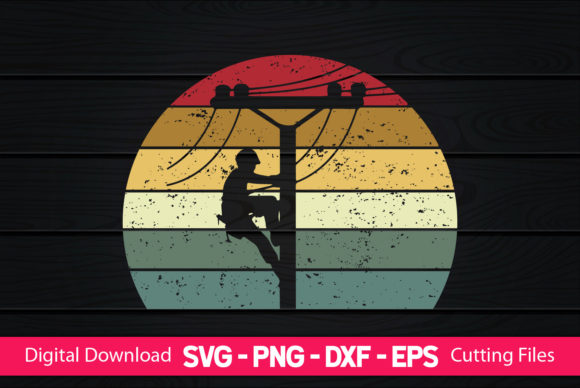
Vintage Electrician Lineman
As an embroidery designer and product reviewer, I’ve evaluated countless digital files for real-world use. The Vintage Electrician Lineman design caught my attention for its nostalgic charm and potential in a variety of projects. But before jumping into using it on custom apparel or small business products, I wanted to test it thoroughly and share my findings with fellow designers, Etsy sellers, and craft entrepreneurs.
The First Impression: Nostalgia Meets Practicality
The Vintage Electrician Lineman design exudes a retro vibe that feels right at home on vintage-inspired items. Its clean lines, bold typography, and industrial theme make it ideal for projects that lean into a classic, rugged aesthetic. The layout is straightforward, with a central emblem that’s easy to place on a range of surfaces—whether it’s a tote bag, sweatshirt, or baby onesie.
The detail level is just right. It’s not overly intricate, which means it won’t overwhelm smaller hoop sizes or delicate fabrics. The visual personality of the design is strong enough to stand out without being too busy. This makes it a versatile choice for both handmade products and commercial embroidery projects.
Real-World Embroidery Use Cases
I tested the Vintage Electrician Lineman on a few different materials and project types. For a custom tote bag design, it looked sharp and professional. The stitch density was manageable, and the satin stitches held up well without puckering. On a sweatshirt, the design added a subtle yet eye-catching touch that would appeal to customers looking for a vintage feel in their everyday wear.
For baby items, like a onesie or blanket, the design worked well as a simple embroidered patch. The size was appropriate, and the details were clear enough to be recognizable even on smaller fabric areas. On a cap, the design sat nicely on the front without distorting the shape, though I’d recommend using a stabilizer for best results on stretchy materials.
This design also has potential for holiday gifts, such as embroidered tea towels or pillow covers. Its retro look pairs well with seasonal themes, and the simplicity of the design ensures it doesn’t get lost in complex patterns or color schemes.
Where to Be Careful: Limitations and Considerations
While the Vintage Electrician Lineman is generally user-friendly, there are a few areas where caution is needed. On small hoop sizes, the design might require splitting into sections, which could complicate the stitching process. If you’re working with textured fabrics or thin materials, the stitch density may cause some visibility issues, especially if the thread colors don’t contrast well with the background.
On dark fabrics, the design might appear less defined unless you use a contrasting thread color. Similarly, on stretchy or lightweight materials, the design could pucker or shift if not properly stabilized. For curved surfaces like caps, the corners of the design may not come out as crisp as they would on flat fabric.
If you're planning to use this on layered garments or items that will be washed frequently, consider how the stitches will hold up over time. The design is suitable for both personal and commercial use, but always check the licensing terms before selling finished products or digital files.
Impact on Visual Appeal and Customer Perception
The Vintage Electrician Lineman adds a sense of authenticity and character to any project it’s used on. It’s the kind of design that can elevate a basic item into a unique, handcrafted product. Customers often respond positively to nostalgic elements, and this design offers a familiar, appealing look that can boost buyer engagement and trust.
In terms of visual appeal, the design is clean and modern enough to fit into a variety of styles. Whether it’s used on a personalized gift, a boutique product, or a small shop merchandise line, it maintains a professional appearance that reflects well on the brand. The clarity of the stitches also contributes to a polished finish, which is essential for handmade products that compete in the market.
From a branding perspective, the design is consistent and adaptable. It works well as part of a larger collection or as a standalone piece. For Etsy sellers and craft entrepreneurs, it’s a reliable choice that can be easily marketed as a vintage-inspired, customizable option.
Practical Designer Notes: What to Check Before Using
Before using the Vintage Electrician Lineman in your own projects, here are a few key steps to take:
- Test the design on scrap fabric to see how it looks in different thread colors and fabric textures.
- Review the stitch density to ensure it matches your project’s requirements.
- Confirm the hoop size needed for the design to avoid unnecessary splits or adjustments.
- Inspect small details, like lettering or corners, to make sure they’re clear and well-defined.
- Try the design in black and white mockups to assess its versatility across different backgrounds.
- Compare how it looks on light and dark fabrics to determine the best thread color options.
- Use the proper stabilizer for your fabric type to prevent puckering or distortion.
- Check whether the design is suitable for both personal and commercial use.
- Verify the licensing terms before selling finished items or digital products.
Final Thoughts: A Reliable Choice for Vintage-Inspired Projects
The Vintage Electrician Lineman is a solid addition to any embroidery designer’s library. Its retro aesthetic, clean layout, and practical application make it a go-to choice for a wide range of projects. While it has some limitations in specific use cases, it’s generally user-friendly and delivers good results when handled correctly.
Whether you’re creating custom apparel, personalized gifts, or small business merchandise, this design offers a balance of style and functionality. As long as you follow the practical tips outlined above, it should serve you well in both handmade and commercial settings.
For those looking for a nostalgic, versatile machine embroidery design, the Vintage Electrician Lineman is definitely worth considering. Just remember to test it first and tailor it to your specific project needs.