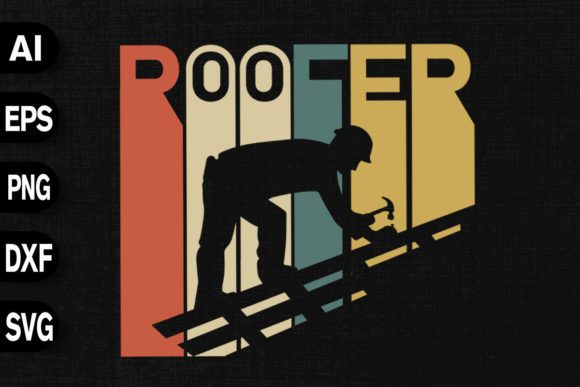
Roofer Vintage Retro Style
As an embroidery designer with years of experience, I’ve seen my fair share of designs that look great on a screen but fall flat in real-world use. Roofer Vintage Retro Style is one that caught my attention not just for its aesthetic, but for how it could translate into practical, high-quality projects. Whether you're working on custom apparel, small business merchandise, or personalized gifts, this design has potential—but it’s important to understand where it shines and where it needs careful handling.
The First Impression: A Nostalgic Visual Statement
Roofer Vintage Retro Style immediately evokes a sense of nostalgia. The design leans into classic typography, muted color palettes, and a slightly worn, hand-crafted feel. It’s the kind of design that feels like it belongs on a well-loved leather jacket, a vintage t-shirt, or a retro-themed mug. The layout is clean, with a central focal point that doesn’t overwhelm the space. It’s versatile enough to work on a variety of items, from tote bags to sweatshirts, but it also carries a distinct personality that might not suit every project.
When I first saw it, I thought about how it would look on a handmade product. Would it stand out? Would it feel authentic? The answer, so far, is yes—but only if used thoughtfully.
Real-World Embroidery Performance
Testing Roofer Vintage Retro Style on different fabrics and projects gave me a clearer picture of its strengths and limitations. On a standard cotton t-shirt, it looked sharp and clean. The stitch density was appropriate, and the design didn’t require excessive stabilizer. However, when I tried it on a thin, stretchy fabric like a baby onesie, the design started to lose some definition. The satin stitches weren’t as crisp, and the overall appearance felt a bit washed out.
This design works best on medium to heavy-weight fabrics. If you’re planning to use it on a tote bag or a sweatshirt, you’ll likely get good results. But if you’re thinking about applying it to something like a cap or a pillow cover, you need to be cautious. The curved surface can make the stitching appear distorted, especially if the hoop size isn’t right.
Where to Use It (And Where to Be Careful)
Roofer Vintage Retro Style is ideal for custom apparel, particularly t-shirts and hoodies. It also fits well with printed mockups, making it a solid choice for digital product sellers or Etsy shops looking to offer printable design assets. The retro vibe makes it a natural fit for holiday gifts, wedding favors, or boutique branding.
However, there are areas where it may not perform as well. Small hoop sizes can be a challenge, especially if the design includes intricate details or tiny lettering. Textured fabrics, like denim or corduroy, may cause the stitches to sit unevenly. And if you're working with dark fabrics, the thread colors may not contrast well—especially if the design uses light-colored stitches.
For commercial embroidery projects, it’s worth testing the design on different materials before committing to a large batch. The same goes for applique designs or any project that requires precise placement of elements.
Visual Appeal and Customer Perception
One of the most important aspects of any embroidery design is how it looks after stitching. Roofer Vintage Retro Style maintains a strong visual identity, which can enhance the perceived value of a handmade product. Customers often associate quality with detail, and this design offers a level of craftsmanship that can elevate a simple item into something more meaningful.
But here’s the thing: the design’s success depends on how it’s executed. If the stitch density is too low, or if the stabilizer isn’t properly applied, the final product may look cheap or unprofessional. That’s why it’s essential to test it thoroughly before using it in client projects or selling it as a finished item.
Practical Designer Notes
Before using Roofer Vintage Retro Style in your next project, take the time to do a few key checks:
- Test on scrap fabric to see how the stitches look and whether they hold up over time.
- Check thread color contrast against different fabric backgrounds to ensure visibility and impact.
- Review stitch density to avoid issues with fabric puckering or distortion.
- Confirm hoop size requirements to ensure the design fits comfortably without being cut off.
- Inspect small details like corners and lettering to make sure they remain clear after stitching.
- Test in black and white mockups to see how the design translates without color.
- Use proper stabilizer for delicate or stretchy fabrics to maintain stitch integrity.
These steps can save you time, money, and headaches down the line, especially if you’re planning to sell the finished product or offer it as a digital embroidery file.
Final Thoughts: A Design with Potential
Roofer Vintage Retro Style is a design that has the potential to become a staple in many embroidery projects. Its nostalgic aesthetic, clean layout, and versatility make it a strong choice for custom apparel, small business merchandise, and personalized gifts. But like any design, it requires thoughtful application to reach its full potential.
If you’re an Etsy seller, a craft business owner, or a creative entrepreneur, this design could be a valuable addition to your collection. Just remember to test it, adjust for fabric type, and consider how it will look in real-life use. With the right approach, Roofer Vintage Retro Style can help you create beautiful, professional-looking products that customers will love.